Stamped concrete in Temecula CA: where it earns its cost
Stamped concrete gives the look of stone, slate or wood boards in one continuous pour. It earns its higher price where the surface is on show and gets walked on barefoot or sat around, rather than driven over every day. It is one of several finishes listed on the concrete contractor in Temecula CA page.
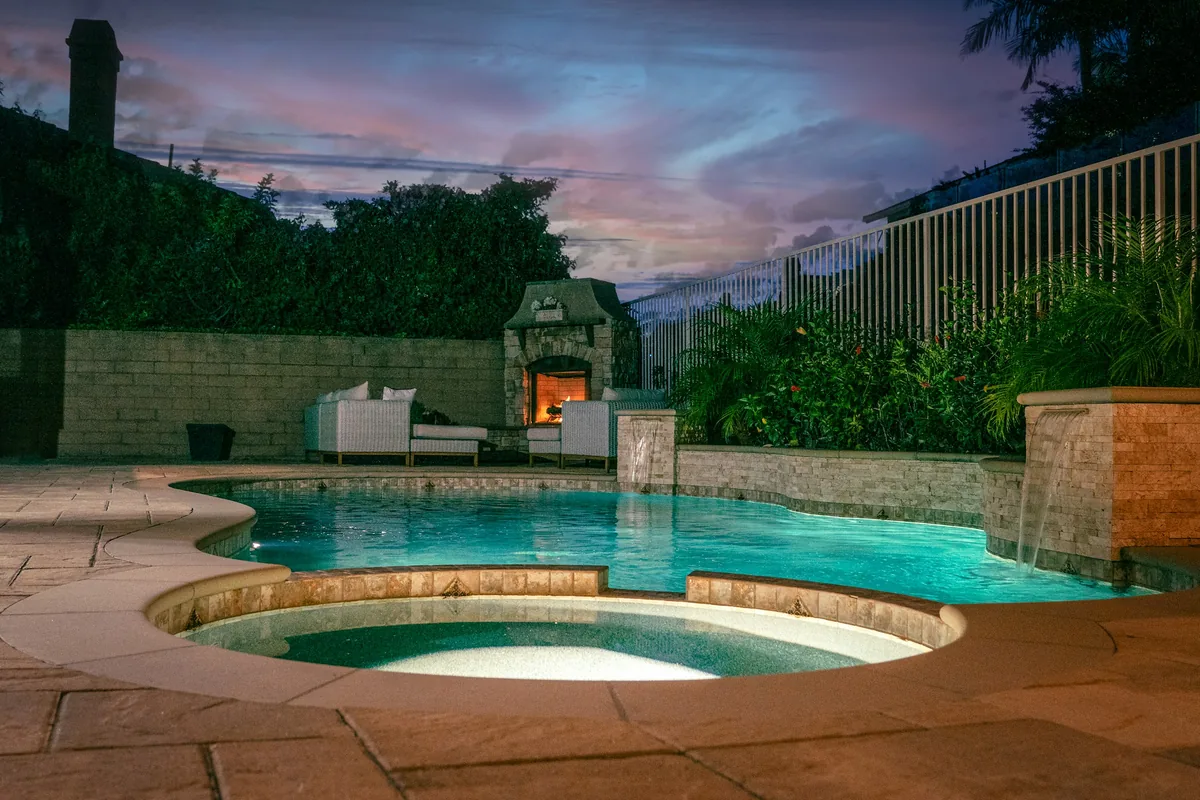
- Pool decks, where an ashlar or flagstone pattern dresses up the area around the water.
- Covered and open back patios, often with a plain broom-finish field and a stamped border.
- Front entry walks and steps, matched to the tile roof and stucco color of the house.
- Driveway borders and bands, which in planned tracts usually need committee approval for color.
- Courtyards and side-yard seating areas where pavers would shift on loose ground.
Stamped concrete patterns, colors and finishes
Patterns
Ashlar slate (rectangles of mixed sizes) and random stone are the most common patterns on Temecula patios because they hide joints and the odd hairline crack well. Cobble and running bond read as brick or pavers; wood-plank patterns suit pool surrounds and covered patios. Seamless skins add texture without grout lines.
Color
| Method | What it does | Good to know |
|---|---|---|
| Integral color | Pigment mixed through the whole slab at the plant | A chip shows the same color underneath |
| Color hardener | Powder floated into the fresh surface | Stronger color and a harder top layer |
| Release agent | Antiqued accent color that stays in the texture | Gives the two-tone, grouted look |
| Sealer | Protects color and adds sheen | Reseal every 2 to 3 years; add non-skid near a pool |
Concrete Network stamped concrete guide (updated July 14, 2026): color hardeners and sealers make the surface stronger and more resistant to abrasion and stains; sealing every 2 to 3 years on average.
Stamping in the Temecula heat
Stamping has a working window: the surface has to be soft enough to take the pattern and firm enough to hold it. Heat, sun and dry wind shorten that window, which is why summer and early fall pours start at dawn and are planned so the crew stamps one section while the next is placed. The hot weather guide has the local numbers.
How stamped concrete is poured, step by step
- 1Pick the pattern and the colors
Pattern, base color and accent color are chosen together, and in a planned tract they go to the architectural committee with samples before the pour is booked.
- 2Prepare the base and forms
The area is dug out, the base compacted and graded to drain away from the house, and forms and reinforcement set, the same as for a plain slab.
- 3Pour with color in the mix
Integral color is mixed into the concrete at the plant, or a color hardener is broadcast over the fresh surface and floated in.
- 4Release agent and stamping
A release agent in the accent color goes down, then the stamping mats are laid in sequence and tamped while the concrete is still soft enough to take the texture.
- 5Rinse, joint and seal
Once it has hardened, the excess release is washed off, joints are cut along the pattern lines where they hide best, and the surface is sealed.
HOA rules for stamped and colored concrete
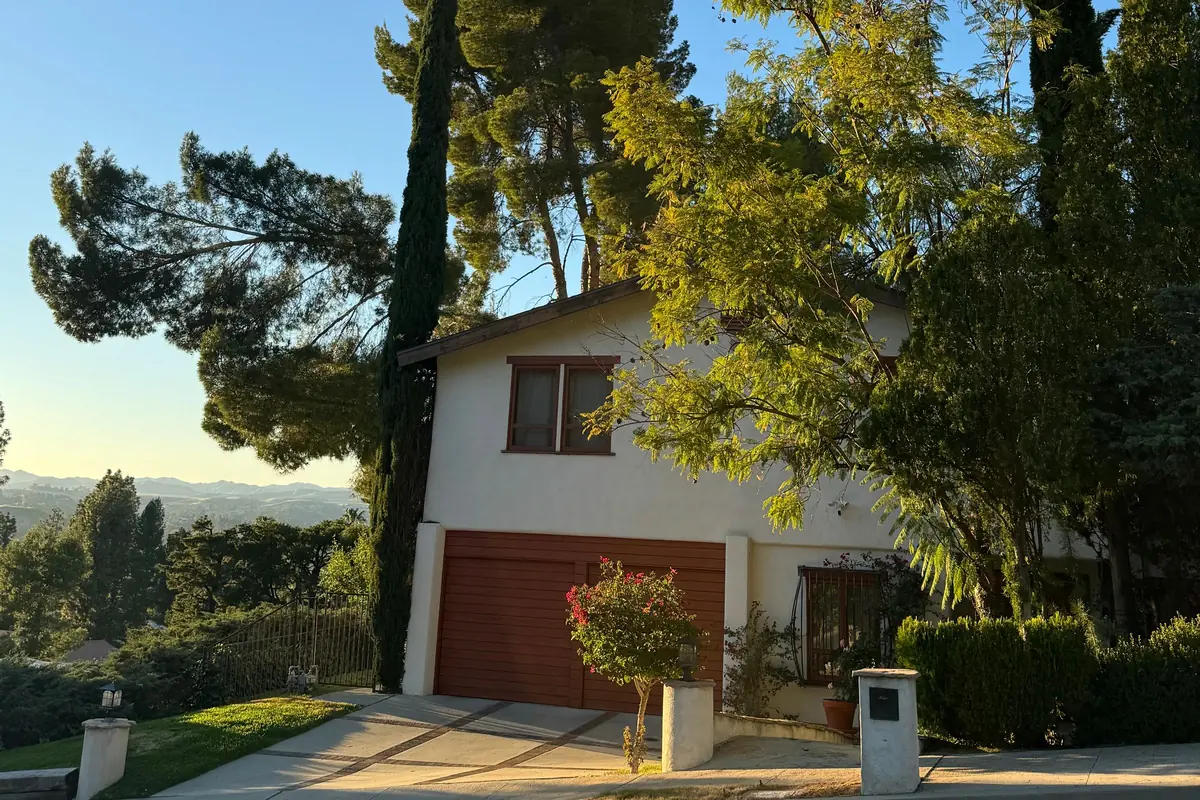
In a planned tract the pattern and color are a design decision the association reviews. Redhawk asks for material samples and color samples with the application and gives itself 30 days to answer; Wolf Creek wants front-yard hardscape approved in writing and in colors consistent with what is already on the street. The HOA approval guide lists what to include.