Driveway extensions in Temecula CA: what fits
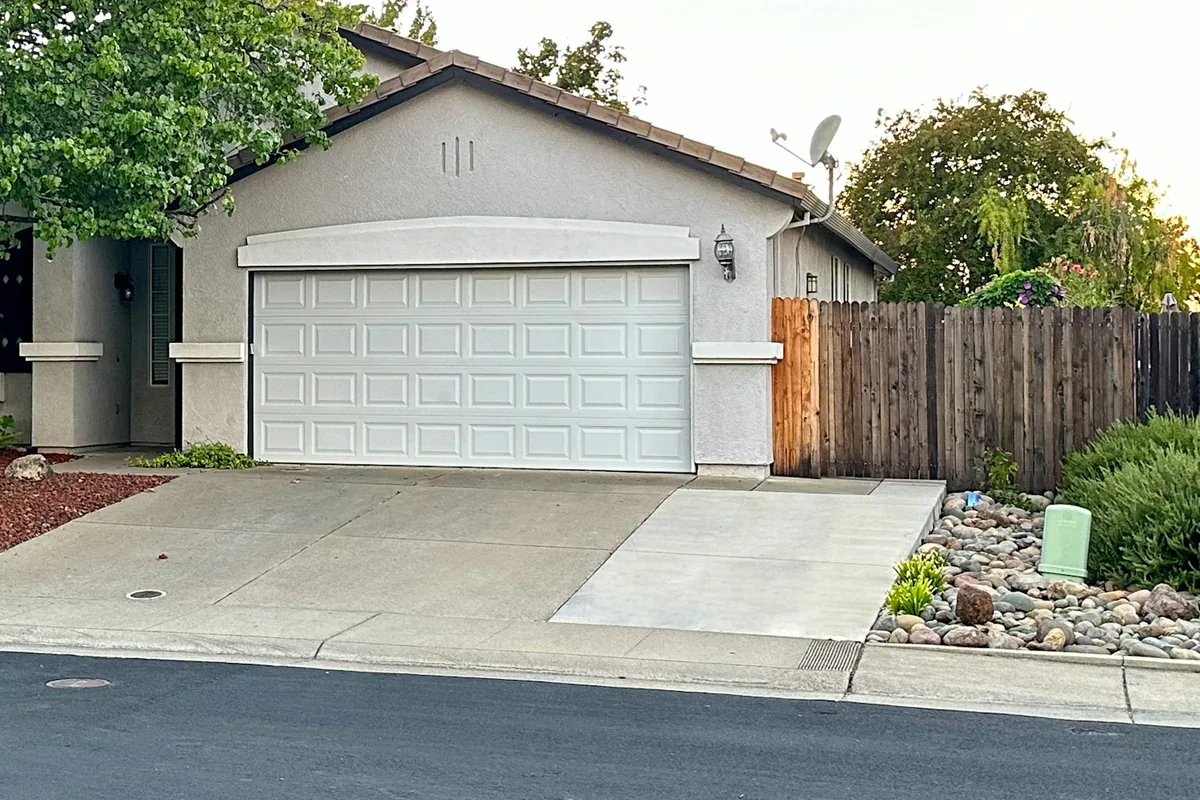
Most driveway extensions in Temecula add one of three things: a third parking lane beside a two-car driveway, a strip for a boat or utility trailer, or a long pad down the side yard for an RV. Each has its own limits at the curb and, in planned tracts, from the association. Full driveway replacements and our other flatwork are on the concrete contractor in Temecula CA page.
- A widening on the lot that ends at the existing curb cut needs no encroachment permit.
- Widening the curb cut itself is approach work under a City encroachment permit, up to 30 feet wide at the property line.
- Two driveways on one frontage need 20 feet of full-height curb between them under Standard No. 207.
- A second driveway needs the City Engineer's approval and a lot of half an acre or more with 100 feet of frontage.
- In Redhawk, extensions of more than 2 feet on each side of the driveway go to the committee for individual review.
Building a concrete RV pad that lasts
A concrete RV pad carries far more weight than a car driveway, and it carries it on a few small tire patches and leveling jacks. That is why it is built thicker, with a rebar grid, on a deeper compacted base, and why the edges matter: a pad that is too narrow puts the tires on its weakest part.
Concrete RV pad size and cost
| Job | Size | Estimated cost |
|---|---|---|
| Third-car strip beside a driveway | 10 x 20 ft (200 sq ft) | $1,200 to $3,000 |
| Trailer strip | 10 x 30 ft (300 sq ft) | $1,800 to $3,600 |
| RV pad, standard build | 12 x 40 ft (480 sq ft) | $2,880 to $5,760 |
| RV pad, 6 in with rebar | 12 x 40 ft (480 sq ft) | $3,840 to $9,600 |
| Large coach pad | 14 x 50 ft (700 sq ft) | Up to $8,400 (HomeGuide RV row) |
HomeGuide 2026 guides: one-car driveway row (10 x 20 ft, $1,200 to $3,000), slab rate $6 to $12 per sq ft, RV pads $1,200 to $8,400 for 200 to 700 sq ft, 6 in heavy-vehicle slabs $8 to $20 per sq ft. Our arithmetic for the other rows. Quotes vary by site.
Getting the RV in and parked
Plan the route as carefully as the pad. The turn off the street, a gate wide enough for the rig with its mirrors, and the side-yard width between the house and the block wall decide whether a pad is usable. Sprinkler heads and valves along that route get moved before forming, and a pad set a little below the side-yard grade keeps water from running to the house.
City and HOA rules for extra parking
The City controls the curb end: anything between the curb and the property line is built to Standard No. 207 under a Public Works encroachment permit, with a $110 residential driveway fee in the FY 2026-27 schedule. Where an RV or trailer may be kept on the lot is a zoning question the Development Code answers; ask the City's Planning Division, through City Hall at (951) 694-6444, before pouring. Associations often add their own limits on where an RV can be parked or stored, so read the CC&Rs too. The Temecula driveway permit guide and the HOA approval guide cover both.
How an extension or RV pad goes in, step by step
- 1Check what the lot allows
Measure the frontage and the side yard, read the HOA limits, and see whether the curb cut has to get wider, which brings in a City encroachment permit.
- 2Move what is in the way
Sprinkler lines, valves and any lawn or gravel come out, and the gate on the RV route is planned around.
- 3Dig and build a heavy base
For an RV pad the dig goes deeper than for a walk, and the base is compacted in lifts so a multi-ton motorhome doesn't rut it.
- 4Tie in and pour
The new concrete is doweled or jointed against the existing driveway so the two move separately, then poured 6 inches thick with a rebar grid for an RV.
- 5Cure before the RV comes home
Cars can cross after about a week; the motorhome or loaded trailer waits at least 28 days.