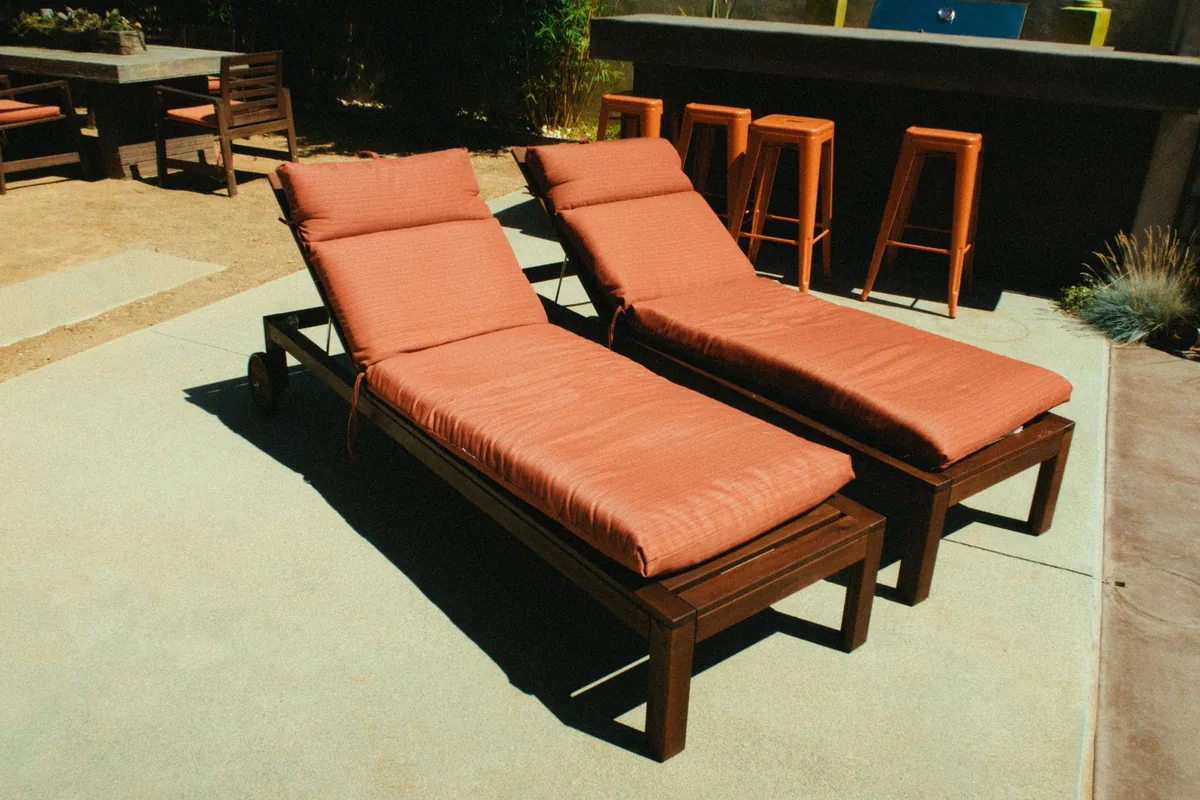
Concrete staining in Temecula CA: where it works
Staining changes the color of concrete without covering it, so the slab's own texture shows through. It works best on smooth surfaces that are protected from heavy wear, and less well on driveways, which many associations restrict anyway. Other ways to finish a slab, from stamping to a plain broom texture, are listed on the concrete contractor in Temecula CA page.
- Covered patios and outdoor kitchens, where a smooth troweled slab takes stain evenly.
- Open patios and courtyards, sealed with a UV-stable exterior sealer.
- New smooth-troweled slabs poured to be stained once they have cured.
- Older plain patios that are sound and clean, as a cheaper change than an overlay.
- Not driveways in Redhawk, where staining them isn't allowed; check your own association elsewhere.
Stain types, prices and how they weather
| Option | Installed price per sq ft | Notes |
|---|---|---|
| Basic, one color plus sealer | $3 to $5 | Simple single color |
| Intermediate, two colors plus sealer | $5 to $10 | Most patios land here |
| Upgraded, patterns and prep | $10 to $15 | Multiple colors, slab preparation |
| Acid-based stain | $3 to $25 | Mottled, variegated earth tones |
| Water-based stain | $3 to $15 | Wider color range, more even |
| Concrete dye | $3 to $25 | Dries fast but fades in the sun |
| Sealing | $1 to $3 | Usually included; reseal every 1 to 3 years |
HomeGuide cost to stain concrete guide, written July 7, 2025 (read from its archived copy of August 16, 2025, because the live page blocks automated reads). National ranges; quotes vary by site.
Sun and sealers
Outdoor stain in Temecula lives or dies by its sealer. Dye is the wrong choice outdoors because, as HomeGuide notes, it fades in the sun; stains hold up, but the sealer over them wears under UV and foot traffic. Plan on resealing an open patio every year or two, and add a non-slip additive anywhere the surface gets wet.
Stain on new versus old concrete
A new slab poured smooth and allowed to cure takes stain most evenly. Old concrete can look beautiful stained, with its wear and patina showing, but patches, repairs and old sealer spots take color differently, so a test area comes first.
How a patio is stained, step by step
- 1Test a spot
Stain reacts with each slab differently, so a small test area in a corner shows the real color before the whole surface is done.
- 2Strip and clean
Sealers, paint, curing compound and stains are removed by grinding or chemical stripping, because stain won't penetrate a coated or dirty surface.
- 3Apply the stain
Acid stain is sprayed or brushed and left to react; water-based stain is sprayed or rolled in one or more coats, with a second color for depth if wanted.
- 4Neutralize and rinse
Acid stain is neutralized and rinsed until the water runs clear; water-based stain is simply allowed to dry.
- 5Seal for sun and water
A UV-stable exterior sealer goes on to lock in the color, with a non-slip additive on any surface that gets wet.

Association rules on color
Color on a surface the street can see is a design change. Redhawk's guidelines don't allow driveways to be painted or stained and require approval for colored concrete in a driveway; Wolf Creek asks that paved areas facing the street stay consistent with existing treatments. Back patios out of view are usually easier, but check the CC&Rs. The HOA approval guide covers the process.