Concrete repair in Temecula CA: what can be fixed
Most concrete damage on a Temecula home falls into a few kinds, and the kind tells you whether a repair will hold or the panel has to come out. Repair is one of the services listed on the concrete contractor in Temecula CA page; this page covers what can be fixed and what has to be replaced.
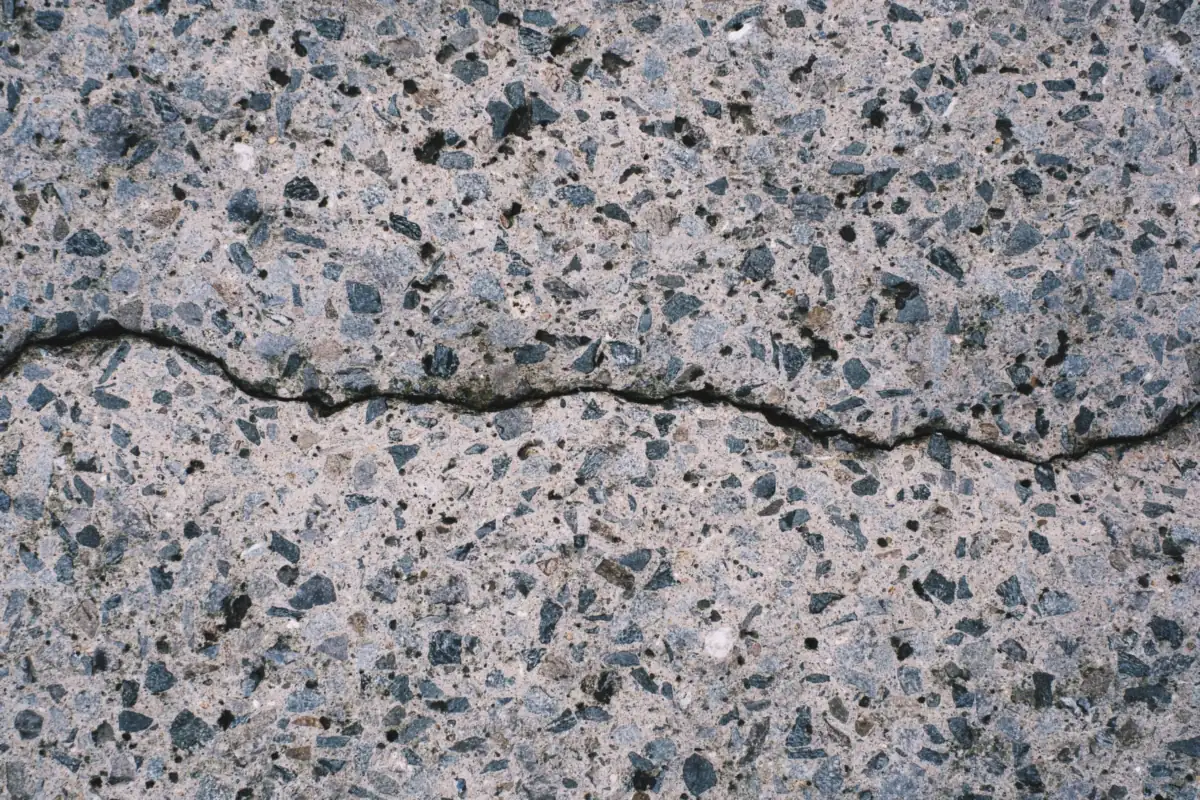
- Hairline shrinkage cracks across a panel: usually cosmetic, sealed so water stays out.
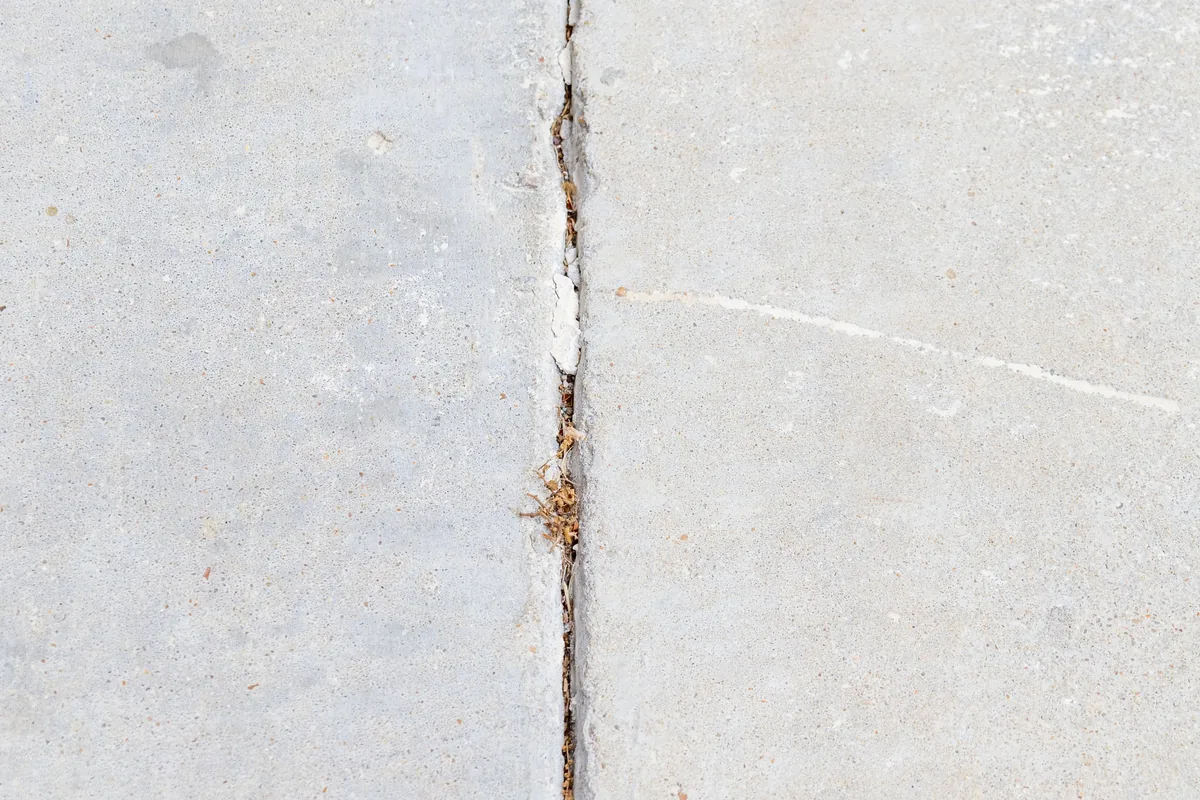
- Cracks where a joint should have been: sealed and, if they keep opening, the panel replaced.
- A corner or panel that has dropped and left a trip edge: ground smooth if small, replaced if not.
- Scaling and spalling, where the top layer flakes off: repaired with a bonded resurfacing if the slab below is sound.
- Concrete crumbling through its depth near salty or wet soil: cut out and replaced, often with a moisture barrier.
Why concrete cracks around Temecula
Shrinkage and missing joints
All concrete shrinks as it dries. NRMCA's guide to cracking lists plastic shrinkage cracks, which form when the surface dries too fast on a hot or windy day, and cracks from missing or too widely spaced joints, as two of the most common causes. Both are worse on a slab poured in Temecula's summer and fall heat without prompt curing.
Ground movement and water
Settlement cracks come from the base, not the concrete. On the sandy loams that cover most of Temecula, they usually trace back to fill that wasn't compacted or to water from sprinklers and downspouts softening the ground. On the clay soils in the southern hills, wetting and drying moves the slab itself. The Temecula soil guide shows where those soils are.
Salts and sulfates in the soil
A few low-lying soils along Interstate 15 rate high for attacking concrete in the USDA survey. Concrete there can scale and weaken from below, and a repair that ignores the cause will fail again; replacement panels go in over a plastic sheet, the same detail City Standard No. 207 calls for under approaches on high-sulfate soil.
Repair options and what they cost
| Repair | When it fits | Price |
|---|---|---|
| Crack routing and sealing | Narrow cracks, both sides level | $100 to $400+ for minor driveway repairs (HomeGuide) |
| Driveway repair, general | From small fixes to section replacement | $3 to $25 per sq ft (HomeAdvisor) |
| Bonded resurfacing | Scaled or worn surface on a sound slab | $3 to $7 per sq ft (HomeGuide) |
| Cut out and replace a panel | Broken, sunken or heaved sections | About new-slab rates, plus $3 to $8 per sq ft removal (HomeGuide) |
HomeGuide 2026 cost guides for driveways, resurfacing and concrete removal; HomeAdvisor concrete driveway cost guide (updated June 20, 2026). National ranges; quotes vary by site.
How a repair is done, step by step
- 1Find out why it failed
A crack from a missing joint, a corner that dropped over soft fill, roots, water from a downspout or sprinklers, or surface scaling each need a different fix, so the cause comes first.
- 2Choose patch, overlay or replace
Narrow cracks and light surface damage are repaired in place; a broken or sunken panel is cut out at the nearest joints and replaced so the repair ends on a straight line.
- 3Prepare the repair area
Loose and unsound concrete is removed down to sound material, cracks are opened to take filler, and the surface is cleaned of dirt, oil and old coatings.
- 4Repair and match
Cracks are filled with a flexible sealant or a repair mortar, thin areas get a bonded repair, and replaced panels are poured with doweled edges and a finish matched to the rest.
- 5Cure and seal
Repairs are cured like new concrete, and a sealer over the whole slab helps the old and new surfaces weather alike.