Concrete resurfacing in Temecula CA: when an overlay works
Resurfacing puts a thin layer of polymer-modified cement over concrete that is structurally fine but looks bad. It is the cheaper alternative to tearing out a slab, and it only works when the slab underneath is sound. Where a slab is past saving with an overlay, the replacement options are on the concrete contractor in Temecula CA page.
- Good fit: a flat driveway or patio with surface wear, light scaling, stains or hairline cracks.
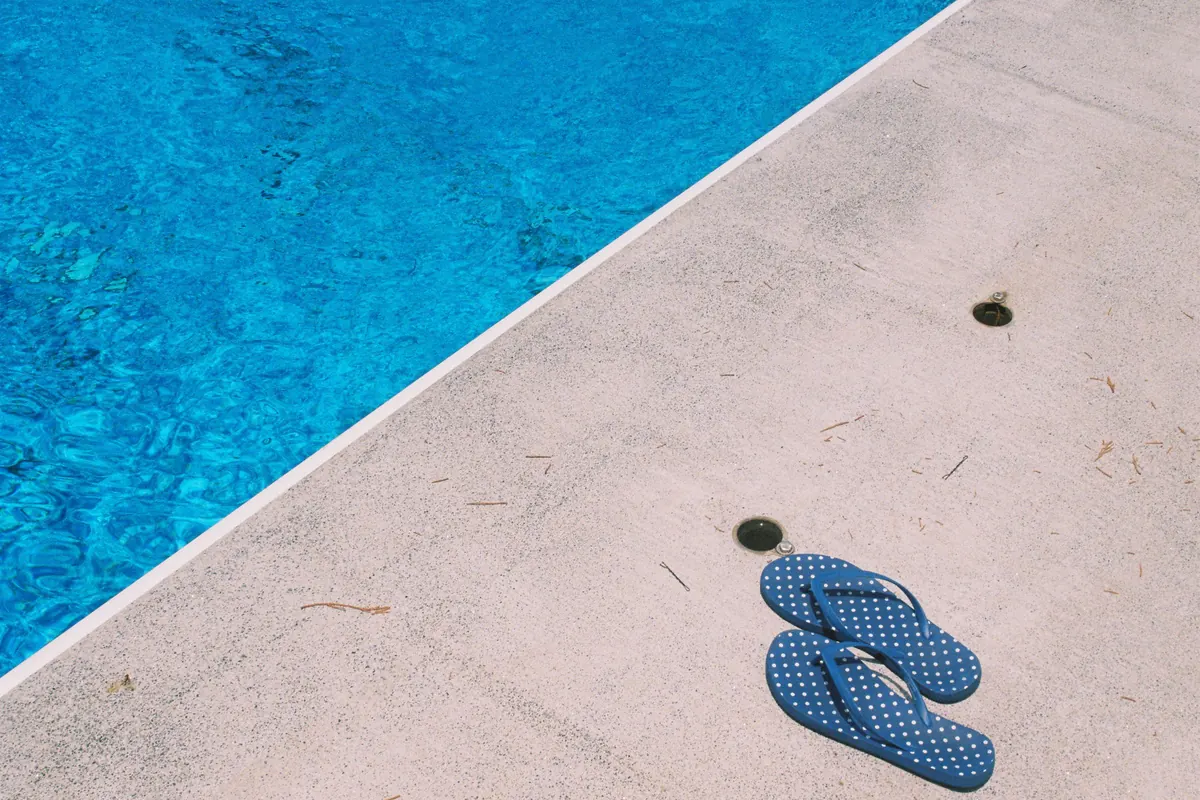
- Good fit: a tired pool deck or a walk that should match a new patio.
- Good fit: a plain slab the owner wants to look stamped or colored without replacing it.
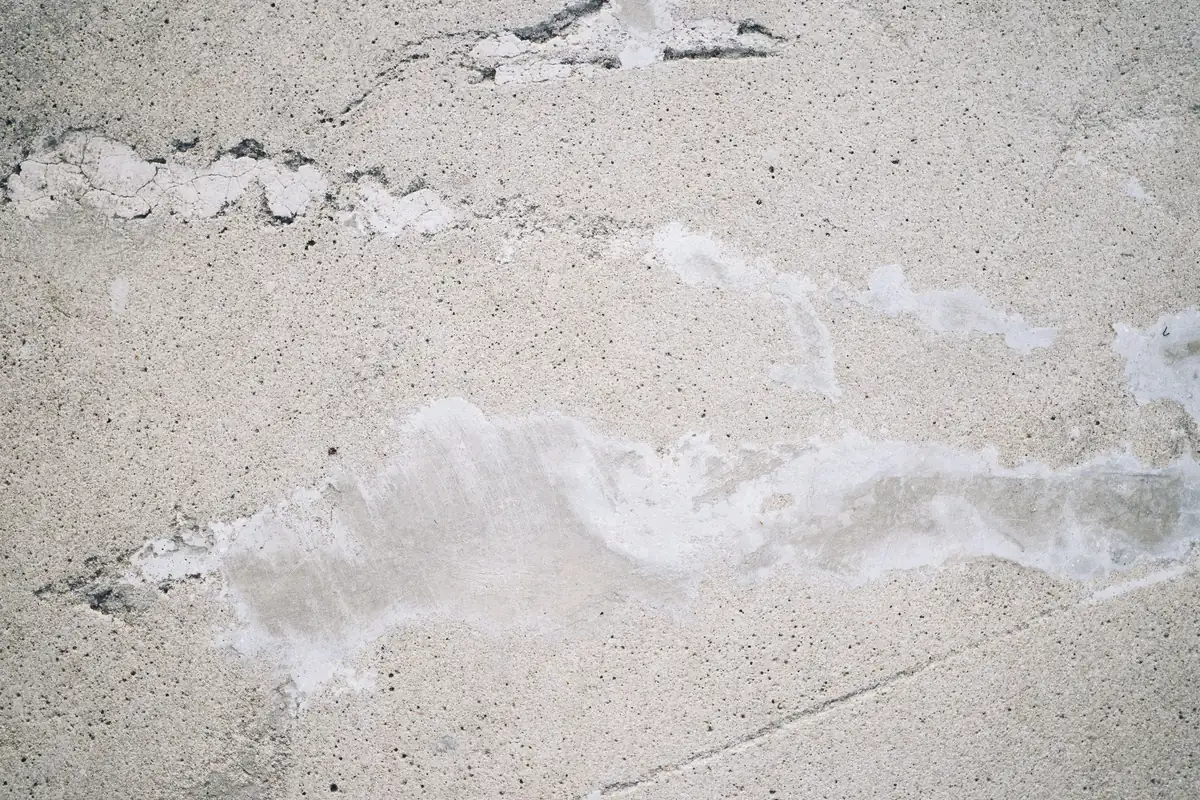
- Poor fit: panels that have heaved, sunk or rocked, or cracks with one side higher than the other.
- Poor fit: concrete crumbling through its depth, which needs to be cut out and replaced.
Resurfacing cost in Temecula by size
| Surface | Typical cost |
|---|---|
| 10 x 10 ft patio | $300 to $700 |
| 10 x 20 ft patio or one-car driveway | $600 to $1,400 |
| 20 x 20 ft two-car driveway | $1,200 to $2,000 |
| 24 x 24 ft driveway or garage | $1,700 to $2,900 |
| 24 x 36 ft three-car driveway | $2,600 to $4,300 |
| 4 x 50 ft walkway | $600 to $1,400 |
| 4 ft pool deck border (360 sq ft) | $1,100 to $2,200 |
HomeGuide concrete resurfacing cost guide (2026): $3 to $7 per sq ft for a plain resurfacing, $6 to $20 for decorative or stamped overlays. National ranges; quotes vary by site.
Compare that with tearing out and replacing: HomeGuide's 2026 driveway guide puts a new two-car driveway at $2,400 to $8,600 plus $2 to $6 a square foot to remove the old one. The concrete driveway cost page has the full replacement figures.
Overlay types
Smooth and microtopping
A thin troweled overlay gives a smooth, even surface, a good base for stain or a color sealer, and suits covered patios and garage floors.
Spray texture and knockdown
A sprayed and knocked-down texture is the common choice for pool decks and open patios because it hides imperfections and gives grip underfoot.
Stamped overlay
A thicker overlay can be stamped with stone, slate or wood patterns, giving an old slab the look of stamped concrete without a tear-out.
How resurfacing is done, step by step
- 1Confirm the slab is a candidate
The slab has to be sound: flat, solid, and without active cracks or heaved sections. Hollow-sounding areas and wide cracks are fixed or cut out first.
- 2Grind and clean
The top skin, old sealer, paint and stains come off by grinding and pressure washing so the overlay bonds to clean, open concrete.
- 3Fill cracks and keep the joints
Small cracks and chips are filled; existing control joints are marked so they can be cut back through the new layer.
- 4Apply the overlay
A bonding primer goes down, then a polymer-modified overlay troweled smooth, sprayed and knocked down, or stamped, in the chosen color.
- 5Cut joints, seal and cure
Joints are re-cut over the old ones, the surface is sealed, and traffic waits for the product's cure time.