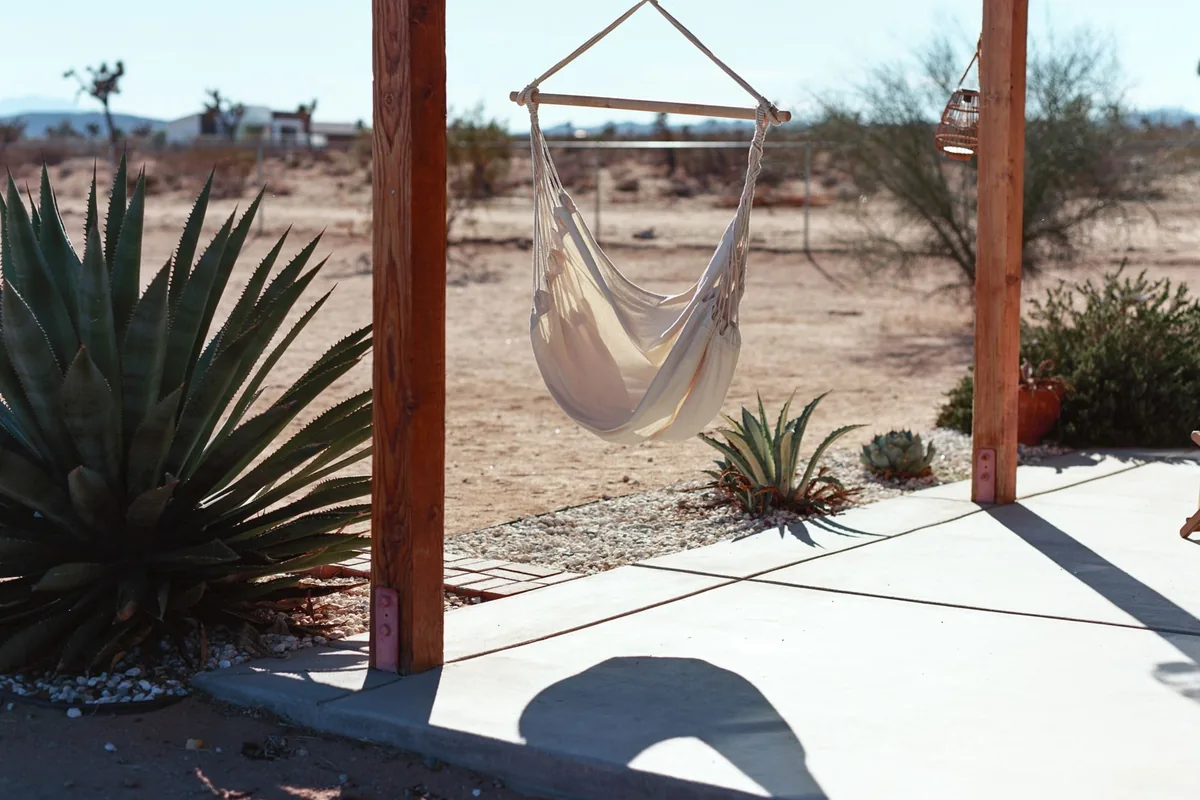
Concrete slabs and pads in Temecula CA, by use
A slab is the plain version of every concrete job: no pattern, no curb, just a flat, solid surface sized to what it carries. Around Temecula homes they come up for a handful of reasons. Patterned, colored and driveway work is listed separately on the concrete contractor in Temecula CA page.
- Shed and storage pads in a side or back yard, often 8 by 10 to 12 by 16 feet.
- Spa and hot tub pads, which have to be dead flat and carry a heavy, concentrated load.
- AC condenser and pool equipment pads, small but set at the right height for drainage.
- Side-yard slabs that pave the strip between the house and the block wall for trash cans and storage.
- Garage floor replacements and, on wine country acreage, barn, workshop and equipment slabs.
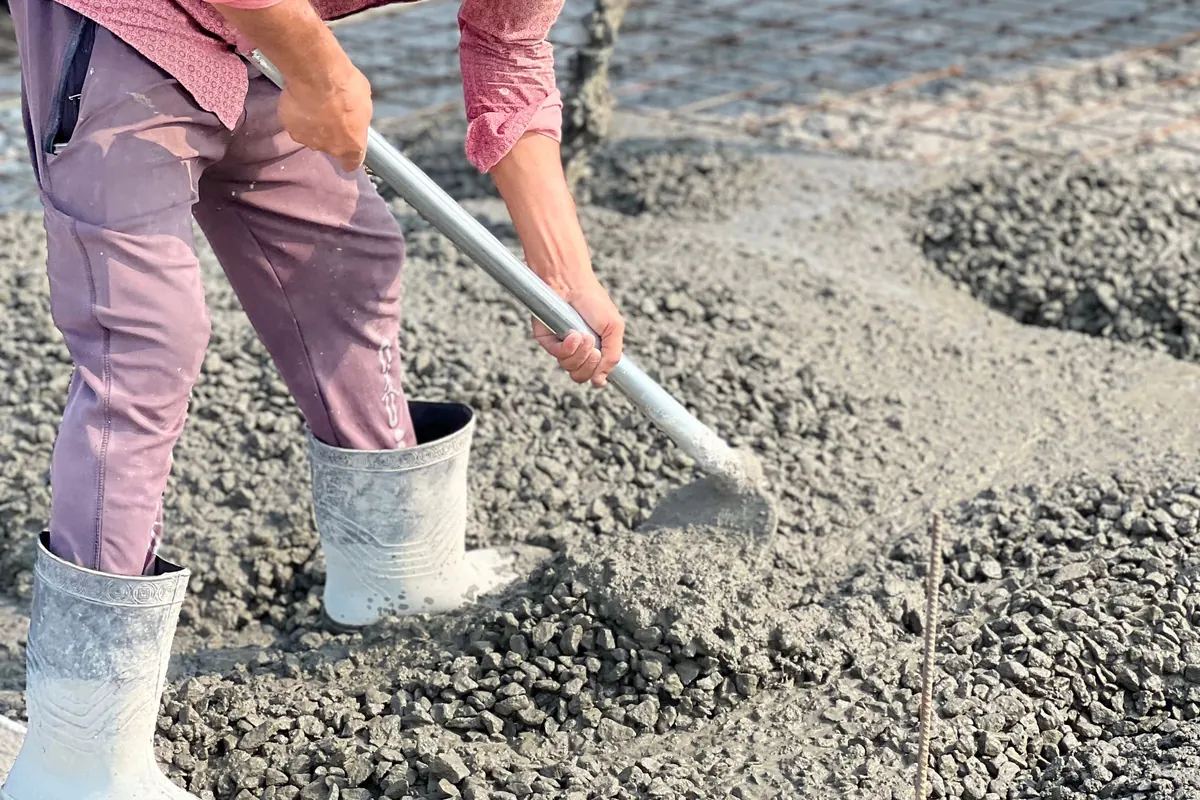
Sizing a slab: thickness, steel and cost
| Use | Typical size | Installed cost |
|---|---|---|
| Small pad | 10 x 10 ft (100 sq ft) | $600 to $1,200 |
| Shed or spa pad | 12 x 12 ft (144 sq ft) | $860 to $1,700 |
| Shed foundation | 100 to 400 sq ft | $600 to $4,800 |
| Two-car garage floor | 400 to 576 sq ft | $2,400 to $6,900 |
| RV pad | 200 to 700 sq ft | $1,200 to $8,400 |
| Large slab | 20 x 30 ft (600 sq ft) | $3,600 to $7,200 |
| Shop or barn slab | 30 x 30 ft (900 sq ft) | $5,400 to $10,800 |
HomeGuide concrete slab cost guide (2026): $6 to $12 per sq ft on average, as low as $4 for the most basic jobs and up to $28 for decorative work. National figures; quotes vary by site.
Thickness and steel
Four inches covers a shed, a patio set or an AC unit. A spa, a garage floor or a shop that takes a truck or a tractor goes to 5 or 6 inches with a rebar grid. Steel only helps if it sits in the middle of the slab, so it is set on chairs, not laid on the dirt and pulled up during the pour.
The ground under it
Most of Temecula sits on sandy loams that drain and barely shrink or swell, so a compacted 4 inch base is usually enough. The exceptions are the clay soils in parts of the southern hills and the salty creek-bottom soils along Interstate 15, where the USDA survey rates the risk to concrete as high; there the base goes deeper and a plastic sheet goes under the slab. The Temecula soil guide has the sample map.
How a pad is poured, step by step
- 1Size it to what sits on it
The pad is laid out a few inches bigger than the shed, spa or equipment on all sides, and its thickness and steel are set by that load.
- 2Dig to firm ground
Topsoil, roots and fill come out until the bottom is firm; on clay or salty ground the dig goes deeper and a plastic sheet is planned under the slab.
- 3Base, forms and steel
Compacted base rock goes in, forms are set level or with a slight fall for water, and mesh or rebar is chaired at mid-depth.
- 4Pour and finish
The concrete is placed, struck off level, floated and finished; a broom finish outdoors, a smooth one under a shed or a garage door.
- 5Joint and cure before loading
Larger slabs get control joints, everything is cured damp for several days, and the shed, spa or vehicle waits about a week, heavier loads four.
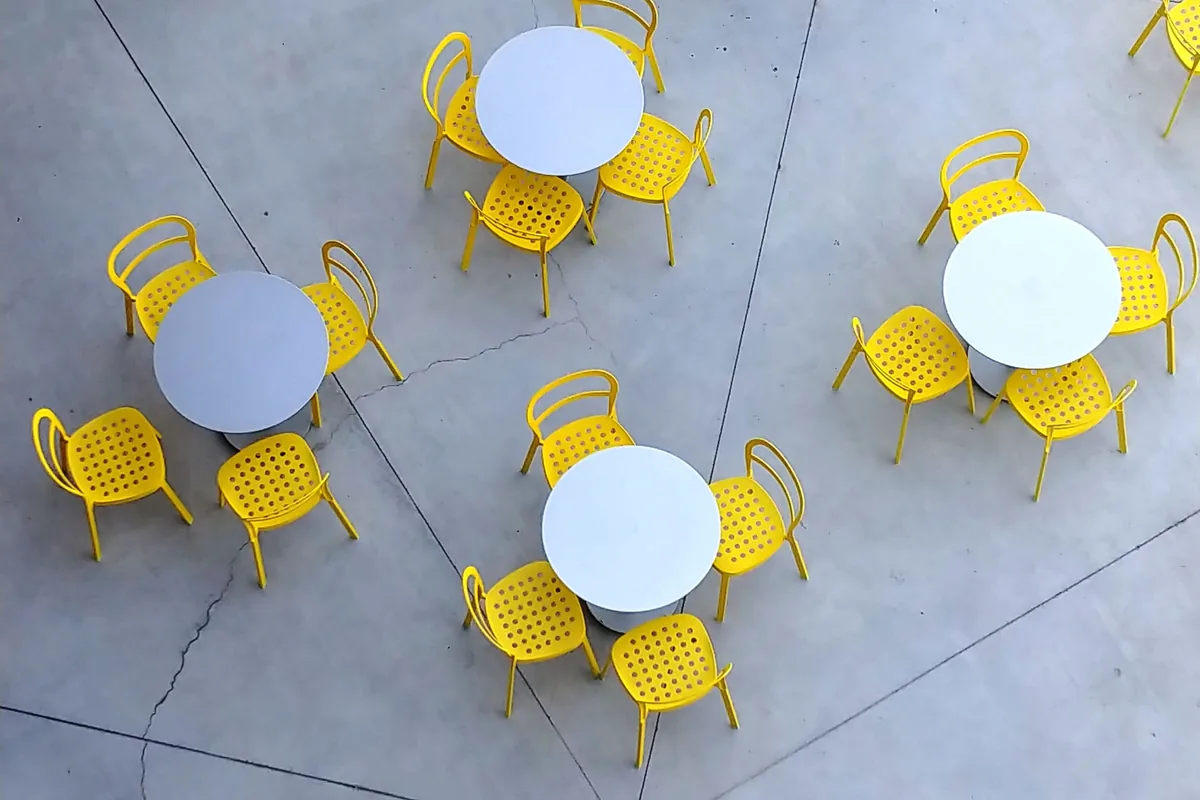
Slabs in side yards and planned tracts
Side yards in tract homes are often a narrow strip between the house and a block wall, which makes a full slab practical for trash cans and storage. Keep it below the weep screed at the base of the stucco and sloped away from the house, and leave a joint where it meets the wall. In an association tract, paving a side or back yard is usually an exterior change that needs approval; Redhawk lists slabs, patios and walkways on its home improvement form. The HOA approval guide covers the process.