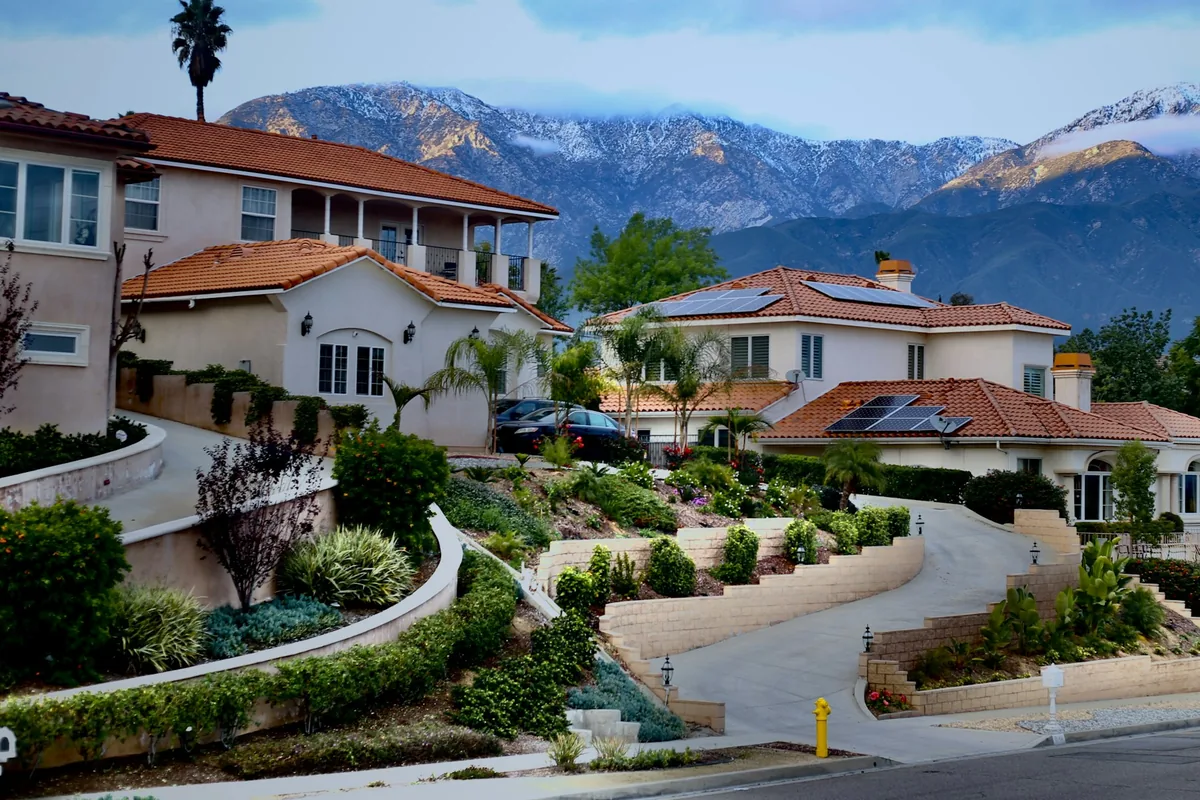
Concrete contractor work in Temecula wine country
The wine country starts where the Temecula city line ends, along Rancho California Road and De Portola Road. Riverside County's plan for the area describes about 18,990 acres east of the city, south of Lake Skinner and northwest of Vail Lake, made up of vineyards and wineries, citrus groves, equestrian ranches and rural home sites on lots of more than an acre. Concrete work out here is shaped by distance, slope and livestock as much as by looks. Homes inside the city line are covered on the concrete contractor in Temecula CA page; this one is about the acreage beyond it.
- Long driveways from a county road to the house, often paved only on the steep or turning sections.
- Turnarounds and parking courts for trucks, trailers and guests.
- Barn aisles, workshop and equipment slabs, and wash racks.
- RV and horse-trailer pads, 6 inches thick with rebar.
- Patios, pool decks and walkways at the ranch house itself.
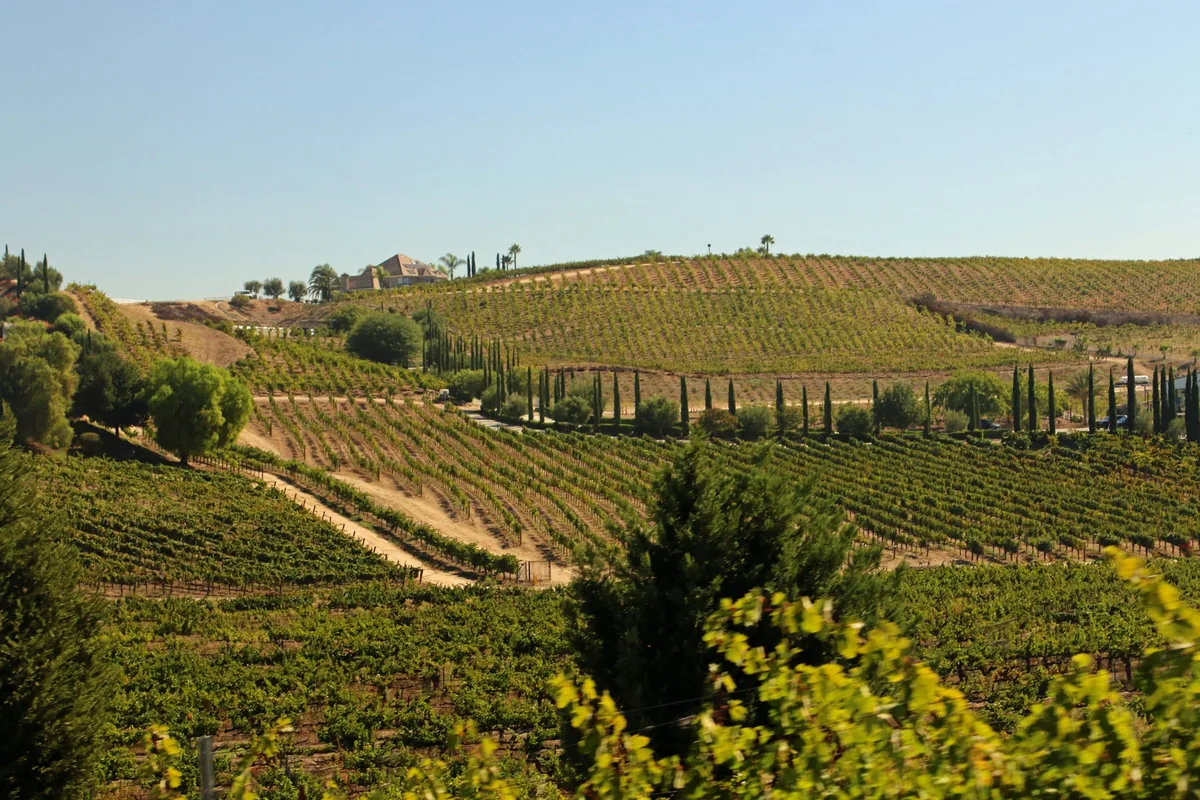
Riverside County rules, not the City's
Because the wine country is unincorporated, none of the City of Temecula's driveway rules apply. A new driveway onto a county road needs an encroachment permit from the county Transportation Department. Its fee table, as archived in October 2025, lists a residential driveway approach at $79 for the permit and $107 for inspection, $186 together, and says many applications need three sets of construction plans and financial security, and that most permits are issued within 14 working days. Building permits for barns and shops go through Riverside County's building department; confirm what a slab needs with the county before pouring.
The county's plan also asks for a rural look. Its policies discourage curbs, gutters, sidewalks and street lights, which is why a wine country driveway usually meets a road edge or a roadside ditch rather than a curb. Where it crosses a ditch, the crossing needs a culvert; the county's road plan-check guidelines set an 18 inch minimum for culverts on the plans they review, so ask the county what a single driveway needs. The Temecula driveway permit guide sets the county and City rules side by side.
Long driveways on acreage
| Length | Area | Concrete ($6 to $15) | Gravel ($1 to $3) |
|---|---|---|---|
| 100 ft | 1,200 sq ft | $7,200 to $18,000 | $1,200 to $3,600 |
| 250 ft | 3,000 sq ft | $18,000 to $45,000 | $3,000 to $9,000 |
| 400 ft | 4,800 sq ft | $28,800 to $72,000 | $4,800 to $14,400 |
Swipe sideways to see every column.
Our arithmetic on HomeGuide's 2026 concrete driveway guide: concrete $6 to $15 per sq ft (main text), gravel $1 to $3, and from its material table a 30 to 40 year life for concrete and up to 100 years for gravel with upkeep. Grading, culverts and the approach are extra; quotes vary by site.
Where concrete earns its place
On a long drive, concrete pays off at the road connection, where the county's permit applies; on slopes, where gravel washes out in winter storms; at gates and cattle guards; and in the turnaround and parking court near the house, where trucks and trailers turn on the spot. The straight, flat middle is often left as gravel or decomposed granite.
The ground and the weather out here
The soil sample points we took in the wine country, on Rancho California Road near Calle Contento, on Anza Road at Pauba Road and on Los Caballos Road, all came back as Hanford sandy loams: well drained, low in shrink-swell and low risk to concrete in the USDA survey. Rougher ground on the slopes, rated as rough broken land or gullied land, needs more base work. Summer and fall heat is the bigger challenge, which is why pours start early. The Temecula soil guide has the readings.
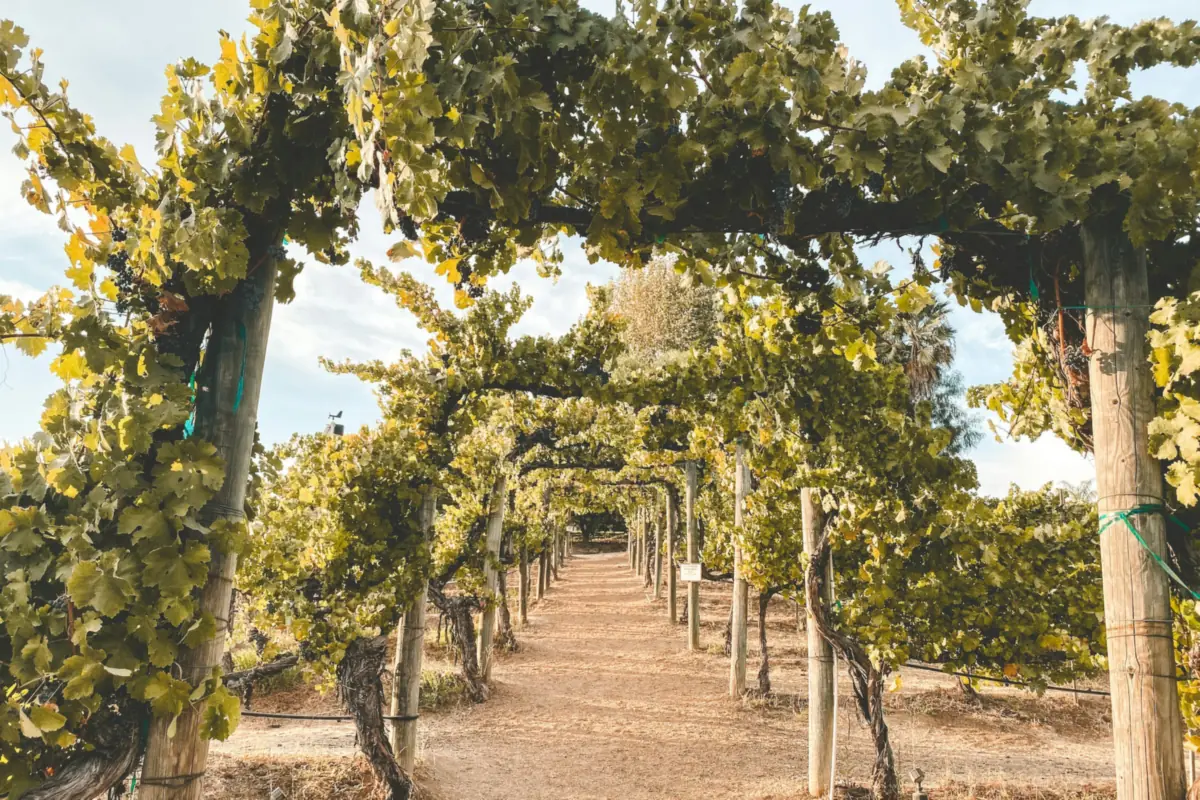
Valle de los Caballos, Glen Oak Hills, De Luz and Rainbow
South of the vineyards, the county's Equestrian District covers the old Valle de los Caballos policy area, which its 2011 plan documents describe as gently rolling, mostly in parcels of 10 acres or more, with horse ranches, stables and estate home sites. Arena footings, barn slabs and long drives with horse-trailer turnarounds are the usual concrete work there and in Glen Oak Hills further east.
West of the city, De Luz sits in the hills at the southern end of the Santa Ana Mountains, and the Riverside and San Diego county line runs through the area, so the first question on any De Luz driveway is which county the parcel is in. Rainbow, a small community of 1,884 people at the 2020 census, is in San Diego County, where the county requires a written encroachment permit for work in its road right-of-way and a traffic control permit for driveway work there.